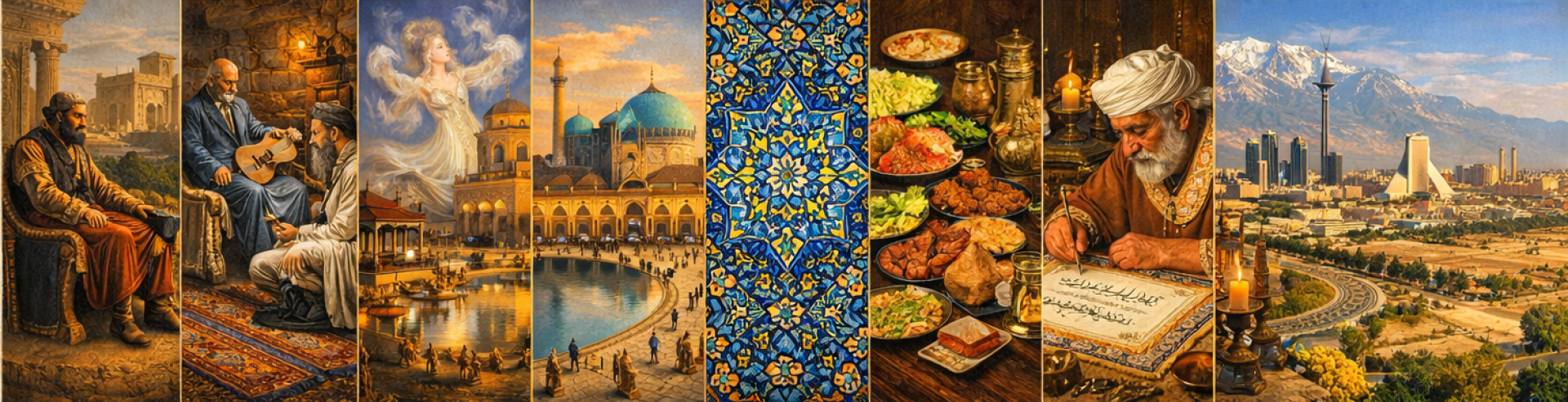
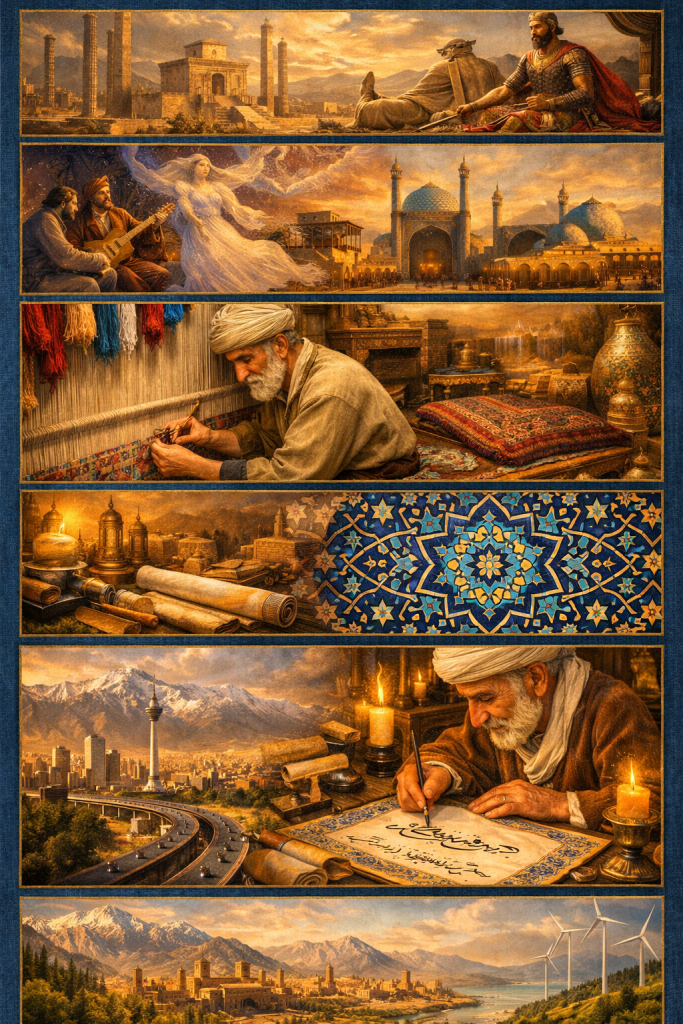
Persia a comprehensive overview
Persia is the historical name for a region that largely corresponds to modern-day Iran. The term “Persia” was used widely in the West until 1935, when the country officially adopted the name Iran.
Historical Timeline:
Ancient Persia began with the Achaemenid Empire (c. 550–330 BCE), founded by Cyrus the Great. It became one of the largest empires in history. Key rulers included Darius the Great and Xerxes I.
After being conquered by Alexander the Great, Persia came under Greek influence. Later empires included the Parthian and Sassanian Empires.
In the 7th century, Persia was conquered during the spread of Islam. Despite this, Persian culture remained strong.
The Safavid Dynasty (1501–1736) established Shi’a Islam as the dominant religion. In 1979, the Iranian Revolution led to the modern Islamic Republic.
Geography:
Iran is located in Western Asia and features mountains, deserts, and fertile plains.
Culture and Society:
The Persian language (Farsi) is widely spoken. Persian literature is rich, with famous poets like Rumi, Hafez, and Ferdowsi.
Art includes carpets, miniature paintings, and architecture such as mosques and palaces.
Religion:
Historically Zoroastrian, modern Iran is predominantly Shia Muslim.
Contributions:
Persia contributed to governance, science, trade, and architecture. It played a major role in the Silk Road.
Legacy:
Persian culture continues to influence the modern world.