The Dynamic Capital of Iran
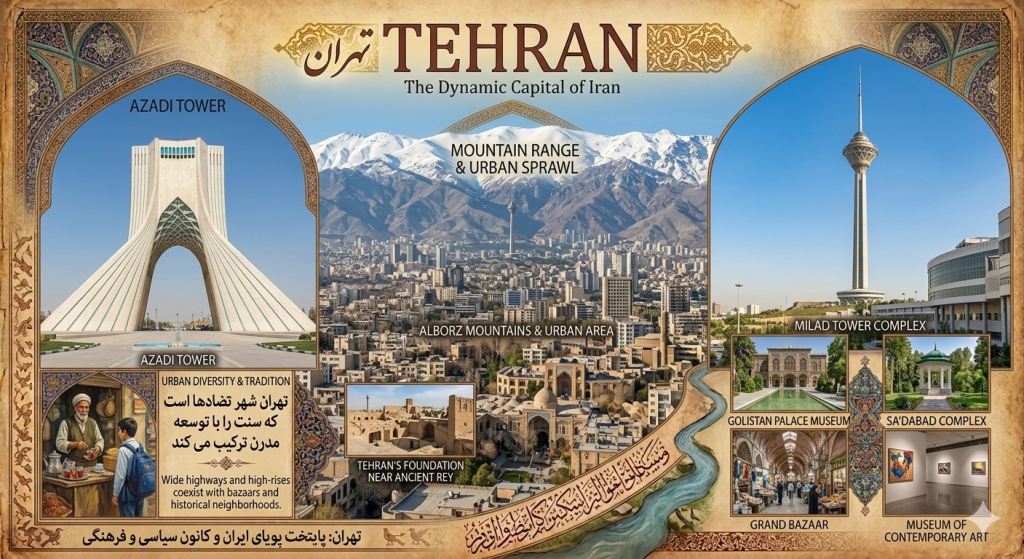
Tehran is the capital city of Iran and its largest urban centre, located in the northern part of the country at the base of the Alborz mountain range. It serves as Iran’s political heart, economic engine, and one of its most important cultural hubs. With a population of several million people, Tehran is among the largest cities in Western Asia and continues to grow rapidly.
Location and Geography
Tehran’s setting is one of its most distinctive features. The city stretches from the dry plains in the south to the cooler, mountainous foothills in the north. This natural contrast creates noticeable differences in climate and lifestyle within the city itself. The northern districts are generally greener and more modern, while the southern areas are older and more industrial.
Historical Background
Tehran was originally a small settlement near the ancient city of Rey. It rose to prominence in 1786 when it was declared the capital of Iran by the Qajar dynasty. Its selection was largely due to its strategic location and defensive advantages. Over time, Tehran expanded from a modest town into a major metropolitan centre, especially during the 20th century when industrialisation and modernization accelerated its growth.
Political and Economic Importance
As the capital, Tehran is the centre of Iran’s government and administration. Key national institutions, foreign embassies, and major political offices are located here. The city also plays a dominant role in the country’s economy, hosting major industries, financial institutions, universities, and technology companies. Many of Iran’s most important decisions in business and governance originate from Tehran.
Urban Life and Culture
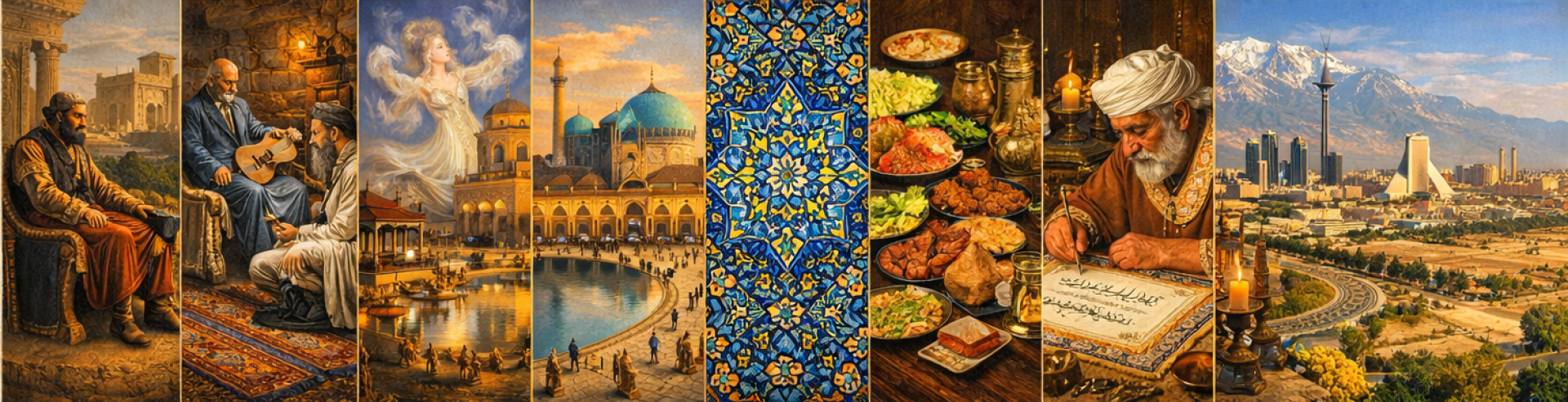
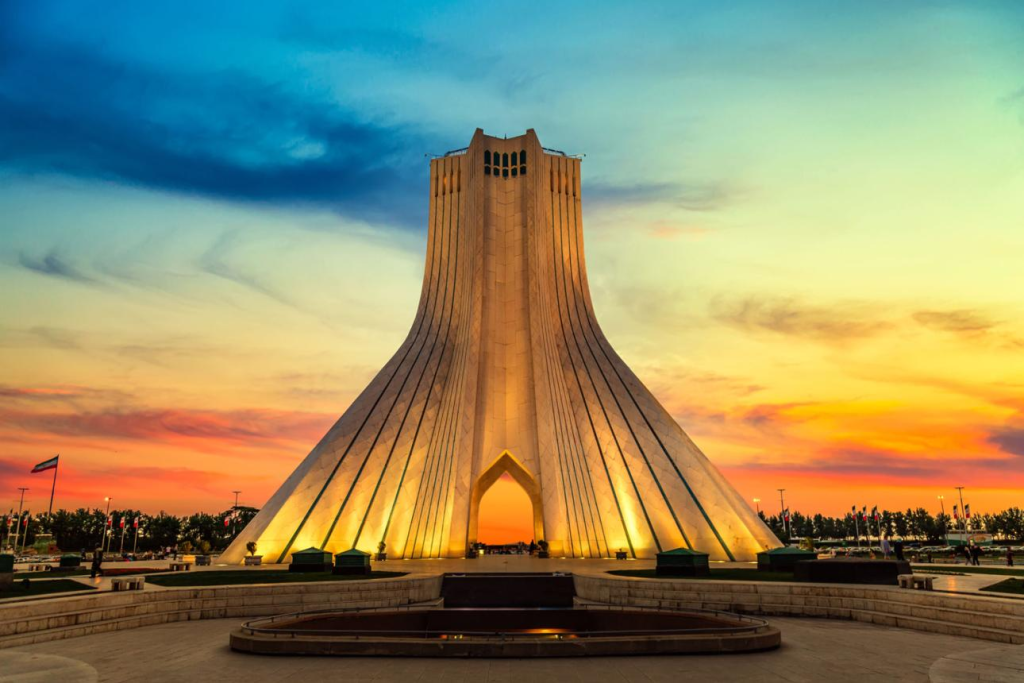
Tehran is a city of contrasts, blending tradition with modern urban development. Wide highways, high-rise buildings, and modern infrastructure coexist with traditional bazaars, historic neighborhoods, and cultural landmarks. Iconic structures such as the Azadi Tower and Milad Tower symbolize the city’s identity and progress.
Daily life in Tehran is fast-paced, with heavy traffic and a vibrant urban rhythm. At the same time, the city offers cultural richness through museums, parks, theatres, and art galleries that reflect Iran’s long history and diverse heritage.
Challenges Facing the City
Like many large capitals, Tehran faces significant challenges. Air pollution is one of the most serious issues due to traffic congestion and industrial activity, while its surrounding mountains can trap polluted air. Rapid population growth has also placed pressure on housing, transportation, and water resources.
Conclusion
Tehran is a city that reflects both the history and future of Iran. It is a place where tradition meets modernity, where cultural heritage exists alongside rapid development. As the capital, it continues to shape the country’s identity and plays a central role in its ongoing transformation.