Tehran: The Vibrant Capital of Iran – History, Culture, Attractions, and Modern Life
Introduction
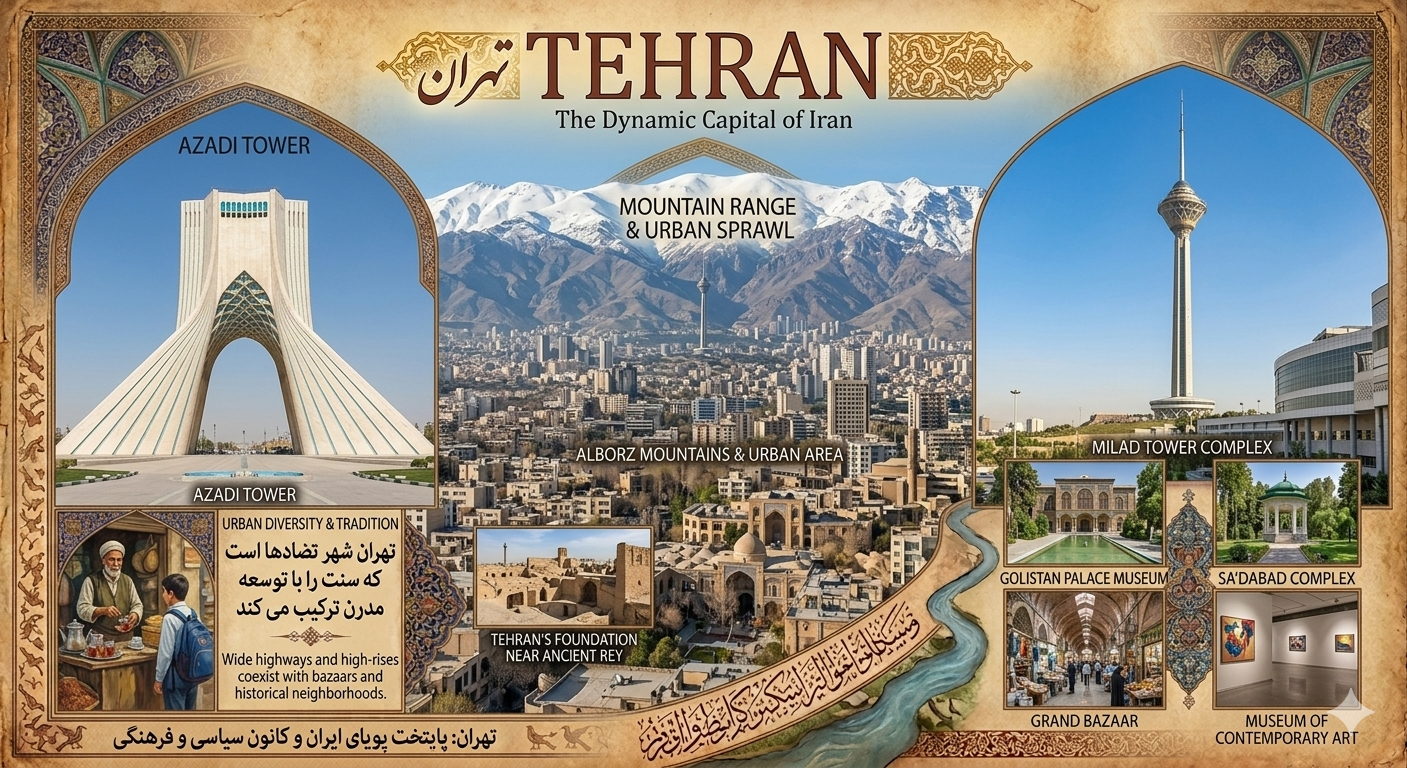
Tehran, the capital city of Iran, is a dynamic metropolis that serves as the political, economic, cultural, and educational center of the country. Nestled against the majestic Alborz Mountains in northern Iran, Tehran is a city where ancient traditions blend seamlessly with modern development. Home to millions of residents, Tehran is not only the largest city in Iran but also one of the most influential urban centers in the Middle East.
From its historic palaces and bustling bazaars to its modern skyscrapers and thriving arts scene, Tehran offers visitors and residents a unique glimpse into the heart of Persian civilization. Whether you are interested in history, architecture, culture, food, or contemporary urban life, Tehran has something to offer everyone.
This guide explores the history, geography, culture, attractions, economy, and significance of Tehran, providing a comprehensive look at one of the world’s most fascinating capital cities.
The History of Tehran
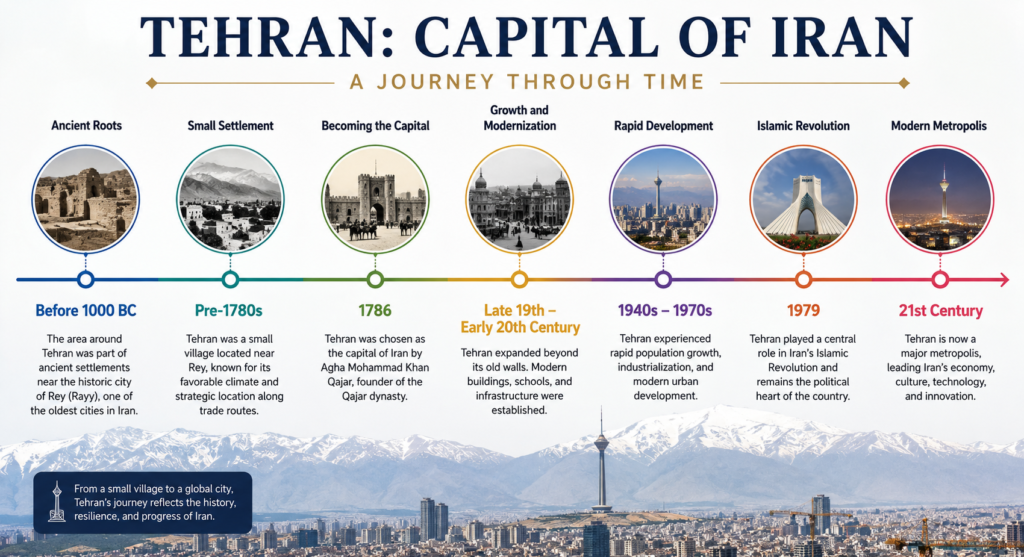
Although Tehran became Iran’s capital relatively recently in historical terms, the region surrounding the city has been inhabited for thousands of years. Archaeological evidence suggests that settlements existed in the area long before Tehran emerged as a major urban center.
The nearby ancient city of Rey (Rayy), located south of modern Tehran, was one of the most important cities of ancient Persia. Throughout centuries, Rey served as a significant center of trade, learning, and culture. As Rey declined due to invasions and natural disasters, nearby villages gradually expanded, eventually giving rise to Tehran.
Becoming the Capital
A major turning point occurred in 1786 when Agha Mohammad Khan Qajar selected Tehran as the capital of Iran. The city’s strategic location, access to trade routes, and proximity to tribal power bases made it an ideal choice for the Qajar rulers.
Following its designation as the capital, Tehran experienced rapid growth. Government institutions, military facilities, royal residences, and administrative centers were established, transforming the city into the political heart of the nation.
Modern Development
The 20th century witnessed unprecedented growth in Tehran. New roads, universities, government buildings, transportation systems, and residential areas were developed. Industrialization attracted migrants from across Iran, dramatically increasing the city’s population.
Today, Tehran stands as a modern metropolis that reflects both the rich heritage and ambitious future of Iran.
Geography and Climate
Tehran occupies a unique geographical position at the foot of the Alborz Mountains. The city extends across a vast area, creating noticeable differences in elevation, climate, and lifestyle between its northern and southern districts.
Northern Tehran
Northern neighborhoods enjoy cooler temperatures, greener landscapes, and spectacular mountain views. These districts are known for their parks, upscale residential areas, and recreational facilities.
Southern Tehran
Southern districts are generally warmer and more densely populated. Historically, these areas developed as industrial and commercial centers and continue to play an important role in the city’s economy.
Climate
Tehran experiences a semi-arid climate characterized by:
- Hot and dry summers
- Cool autumns
- Cold winters
- Pleasant springs
Winter snowfall often occurs in nearby mountain regions, making Tehran a popular destination for winter sports enthusiasts.
Population and Diversity
Tehran is home to over eight million residents within the city and more than fourteen million people in the greater metropolitan area. The city attracts people from every region of Iran, creating a diverse and vibrant social environment.
This diversity contributes to Tehran’s rich cultural landscape. Various ethnic communities, traditions, cuisines, and dialects coexist within the city, making it one of the most multicultural urban centers in the country.
Tehran as Iran’s Political Center
As the capital of Iran, Tehran hosts the nation’s most important governmental institutions. Key ministries, parliament buildings, administrative agencies, and foreign embassies are located throughout the city.
Political decisions affecting the country are largely made in Tehran, reinforcing its central role in national governance. International diplomatic missions and organizations also maintain a strong presence in the city.
Economic Importance of Tehran
Tehran serves as the economic powerhouse of Iran. The city contributes a significant share of the nation’s economic output and hosts a wide range of industries and businesses.
Major economic sectors include:
- Finance and banking
- Manufacturing
- Information technology
- Telecommunications
- Education
- Healthcare
- Retail and commerce
Many of Iran’s largest corporations maintain their headquarters in Tehran, making it the country’s primary business destination.
Education and Innovation
Tehran is recognized as Iran’s leading center for education and research. The city is home to numerous universities, technical institutes, and research organizations.
Thousands of students from across Iran and abroad travel to Tehran each year to pursue higher education. Academic excellence, scientific research, and technological innovation continue to strengthen the city’s reputation as an intellectual hub.
Cultural Life in Tehran
Culture plays a central role in daily life throughout Tehran. The city hosts countless museums, galleries, theaters, cultural centers, and libraries.
Persian Heritage
Tehran proudly preserves Iran’s rich cultural heritage through:
- Traditional arts
- Persian literature
- Classical music
- Historical architecture
- Cultural festivals
Many institutions throughout the city are dedicated to promoting and preserving Persian history and traditions.
Contemporary Arts
Alongside its historical heritage, Tehran has developed a vibrant contemporary arts scene. Modern artists, filmmakers, musicians, and designers contribute to a growing creative community that attracts international attention.
Famous Attractions in Tehran
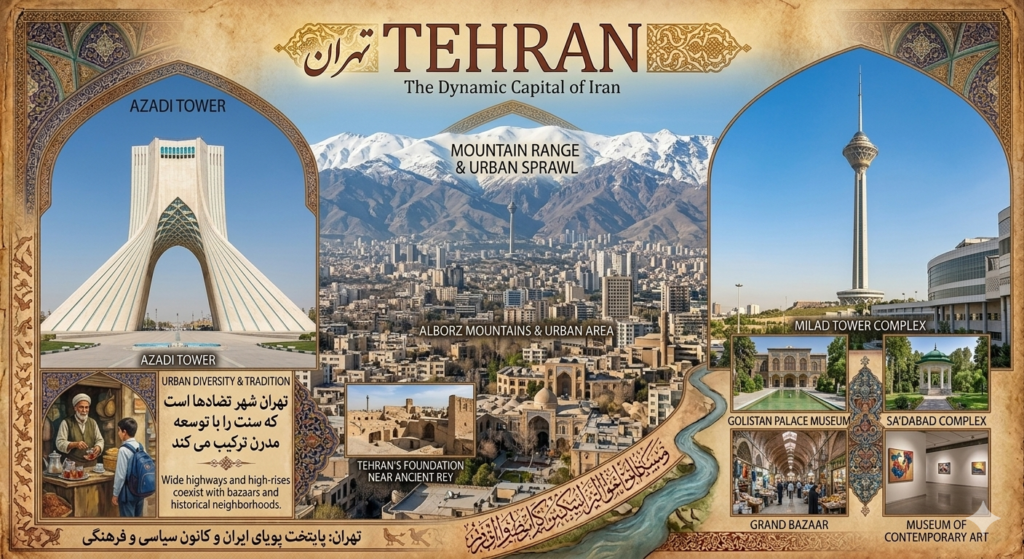
Golestan Palace
A UNESCO World Heritage Site, Golestan Palace showcases magnificent Persian architecture and royal history. Its beautiful halls, gardens, and decorative details provide insight into the grandeur of the Qajar era.
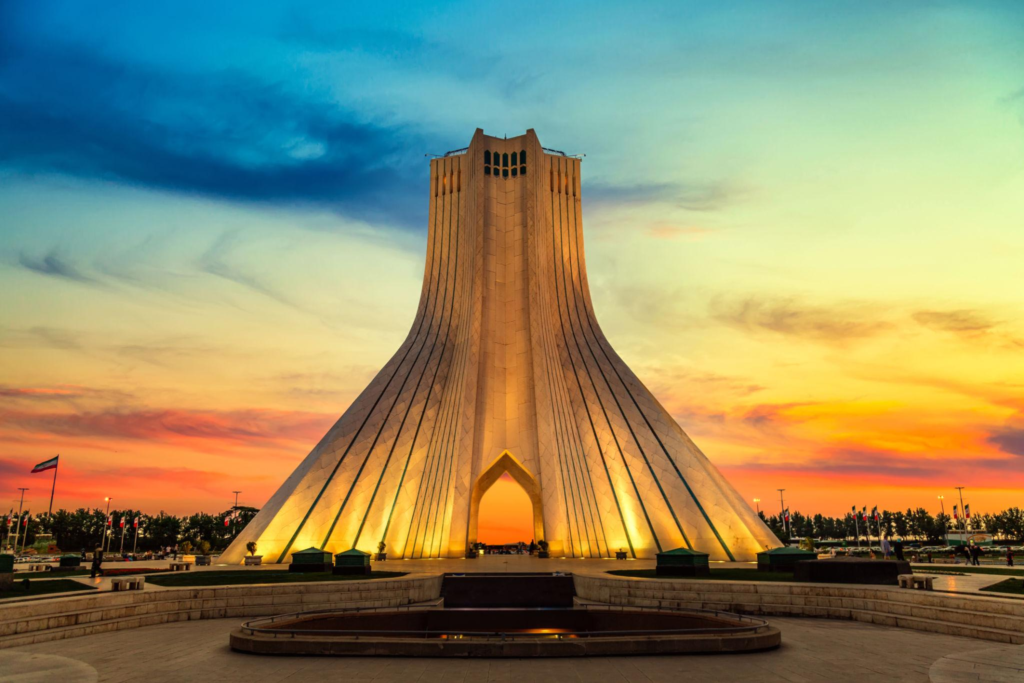
Azadi Tower
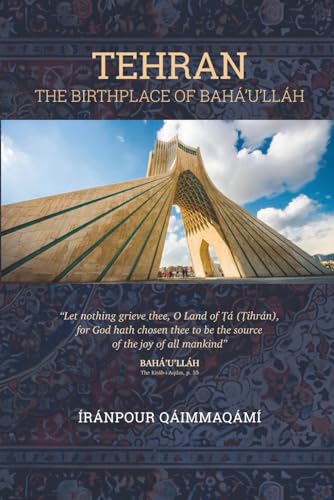
One of Tehran’s most recognizable landmarks, Azadi Tower symbolizes modern Iran. Completed in 1971, the monument combines traditional Persian design with contemporary architectural elements.
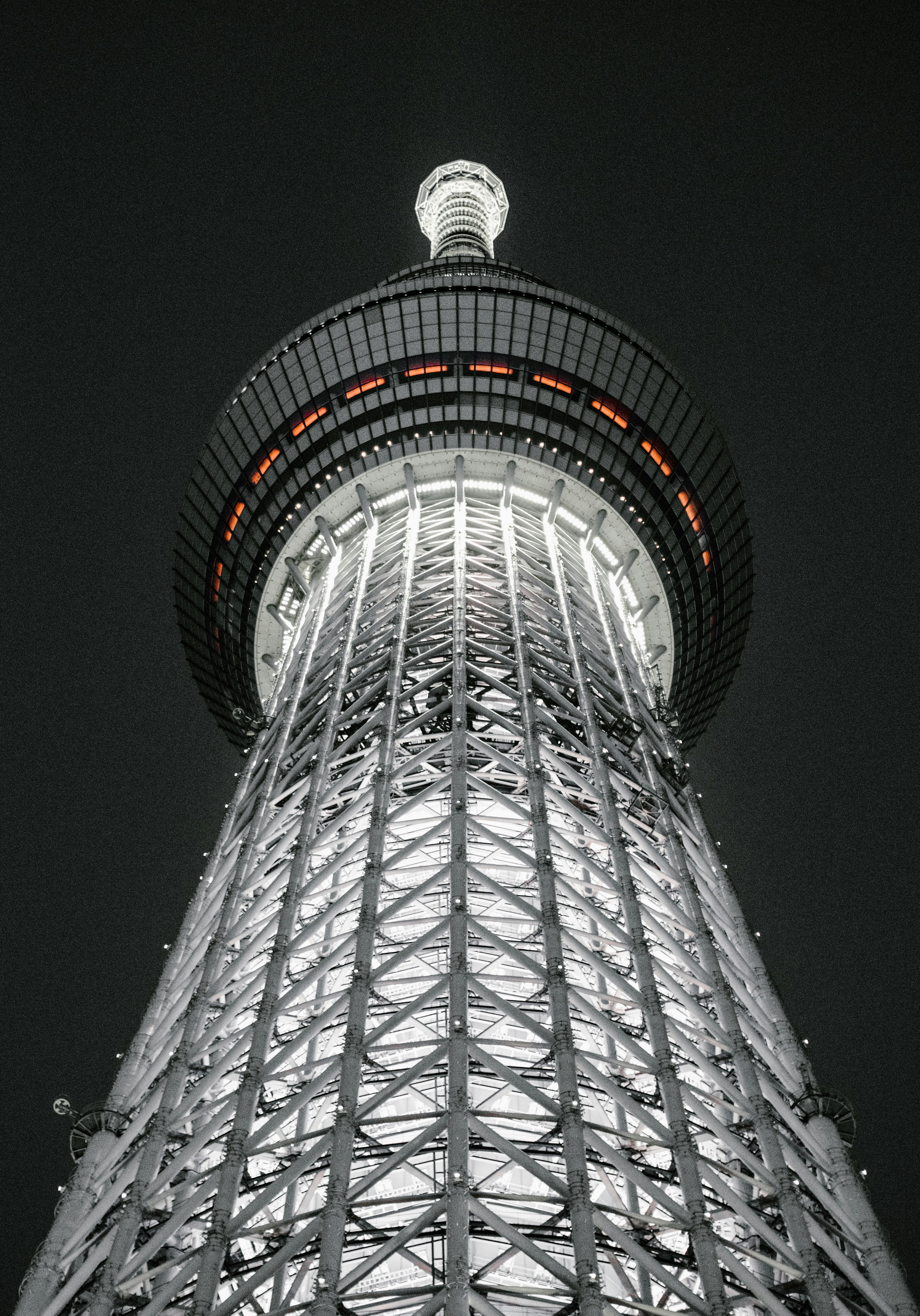
Milad Tower
Standing among the tallest towers in the world, Milad Tower dominates Tehran’s skyline. Visitors can enjoy observation decks, restaurants, and panoramic views of the city.
Tehran Grand Bazaar
The Grand Bazaar remains one of the city’s most important commercial centers. Visitors can explore traditional shops, handicrafts, spices, carpets, jewelry, and local products while experiencing the vibrant atmosphere of Persian commerce.
National Museum of Iran
This museum houses priceless artifacts spanning thousands of years of Iranian history. It offers visitors a fascinating journey through the country’s ancient civilizations and cultural evolution.
Parks and Green Spaces
Despite being a densely populated metropolis, Tehran contains numerous parks and recreational areas.
Popular green spaces include:
- Mellat Park
- Laleh Park
- Jamshidieh Park
- Ab-o-Atash Park
These parks provide residents with opportunities for relaxation, exercise, and outdoor activities.
Food and Cuisine in Tehran
Tehran offers an incredible culinary experience. Traditional Persian cuisine is celebrated throughout the city, featuring a wide variety of flavors and ingredients.
Popular dishes include:
- Chelo Kebab
- Ghormeh Sabzi
- Fesenjan
- Tahchin
- Dizi
Local restaurants range from traditional family-owned establishments to modern international dining venues.
Transportation in Tehran
The city’s transportation network includes:
- Metro system
- Public buses
- Taxis
- Ride-sharing services
- Highways and expressways
The Tehran Metro is among the largest urban rail systems in the Middle East and plays a vital role in reducing traffic congestion.
Challenges Facing Tehran
Like many major world capitals, Tehran faces several urban challenges.
Air Pollution
Air quality remains a concern due to vehicle emissions, industrial activity, and geographic conditions that can trap pollutants.
Traffic Congestion
Heavy traffic affects daily life, particularly during peak commuting hours.
Water Resources
Population growth and climate conditions have increased pressure on water supplies and urban infrastructure.
Despite these challenges, ongoing investments in transportation, environmental initiatives, and urban planning continue to improve living conditions.
Tourism in Tehran
Tourism has become an increasingly important sector. Visitors are drawn to Tehran’s:
- Historical landmarks
- Museums
- Cultural attractions
- Shopping districts
- Culinary experiences
- Mountain scenery
The city often serves as the gateway for travelers exploring other regions of Iran.
Why Tehran Matters
Tehran is far more than simply the capital of Iran. It is a city that reflects the nation’s past, present, and future. From ancient Persian roots to modern innovation, Tehran represents the resilience, creativity, and cultural richness of Iranian society.
Its role as a center of government, education, commerce, and culture ensures that it remains one of the most significant cities in the Middle East.
Conclusion
Tehran stands as a remarkable capital city where history and modernity coexist. Surrounded by mountains and enriched by centuries of Persian heritage, it continues to evolve as a leading center of culture, business, and innovation.
Whether viewed through its historic palaces, bustling bazaars, modern skyline, or vibrant cultural scene, Tehran offers a unique experience that captures the essence of Iran. As the nation’s largest city and administrative center, Tehran remains a symbol of progress, resilience, and the enduring legacy of Persian civilization.
Key Takeaways
- Tehran is the capital and largest city of Iran.
- The city became Iran’s capital in 1786 during the Qajar dynasty.
- Tehran serves as the political, economic, cultural, and educational center of the country.
- Located at the foot of the Alborz Mountains, Tehran offers a unique blend of urban life and natural beauty.
- Famous landmarks include Azadi Tower, Milad Tower, Golestan Palace, and the Tehran Grand Bazaar.
- The city combines ancient Persian heritage with modern development and innovation.
- Tehran is home to millions of residents and is one of the largest metropolitan areas in the Middle East.
- Visitors can explore museums, parks, historical sites, traditional markets, and vibrant cultural attractions throughout the city.
- Despite challenges such as traffic congestion and air pollution, Tehran remains one of the most influential cities in Western Asia.
- Tehran continues to play a vital role in shaping Iran’s future through commerce, education, technology, and culture.
Related Articles
- Mashhad: Iran’s Spiritual Capital and Holiest City
- Isfahan: The Jewel of Persian Architecture
- Shiraz: The City of Poetry, Gardens, and History
- Persian Culture and Traditions Explained
- Top Tourist Attractions in Iran
- The History of the Persian Empire
- Golestan Palace: A UNESCO World Heritage Site
- Iranian Cuisine: Traditional Persian Foods to Try
- Ancient Persia: From Cyrus the Great to Modern Iran
- The Most Beautiful Cities in Iran to Visit
Disclaimer: The information provided in this article is intended for general educational and informational purposes only. While every effort has been made to ensure accuracy, historical facts, statistics, and travel information may change over time. Readers are encouraged to verify current information through official sources before making travel or research decisions. The views expressed in this article are for informational purposes and do not represent official governmental or institutional positions.
Image Disclaimer: All images used in this article are for illustrative and reference purposes only. Image copyrights belong to their respective owners. If you are the copyright owner of any image featured and would like it credited, modified, or removed, please contact us and appropriate action will be taken promptly.
Final Thoughts
Tehran is far more than just the capital of Iran—it is a city that reflects the country’s rich history, cultural diversity, and modern ambitions. From its historic palaces and bustling bazaars to its contemporary skyline and thriving cultural scene, Tehran offers visitors a fascinating glimpse into the heart of Persian civilization. Whether you are interested in history, architecture, food, or modern urban life, Tehran provides a unique experience that showcases both the traditions and future of Iran. As one of the Middle East’s most influential cities, Tehran continues to evolve while preserving the heritage that makes it truly remarkable.
Affiliate Disclosure: Azizom.net participates in the Amazon Services LLC Associates Program, an affiliate advertising program designed to provide a means for websites to earn advertising fees by linking to Amazon. As an Amazon Associate, we earn from qualifying purchases at no extra cost to you.