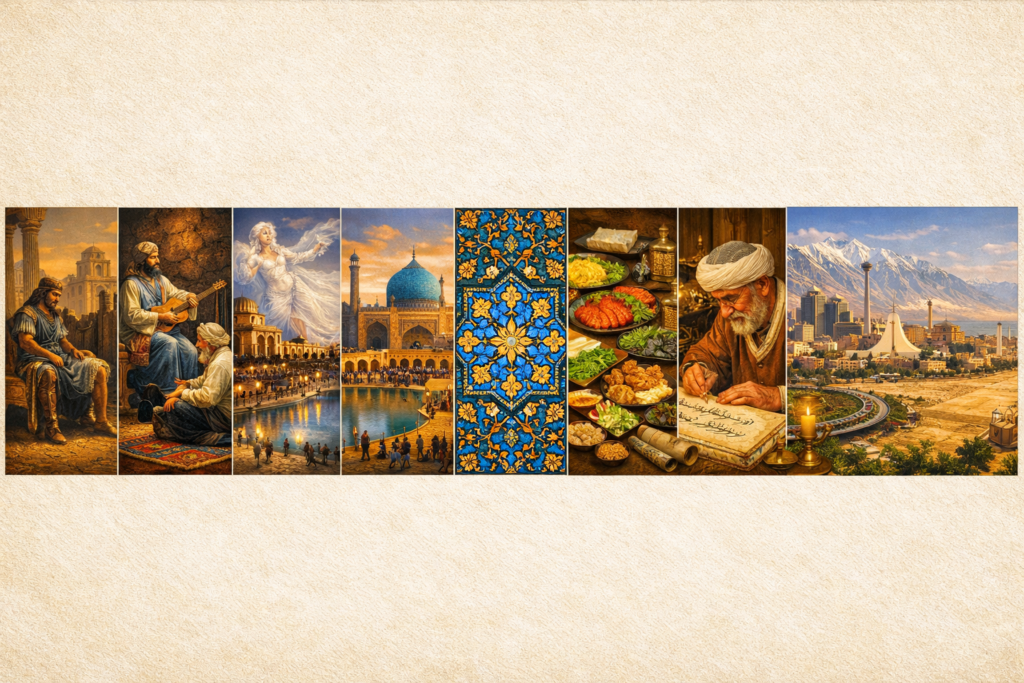
The Cradle of Empires, Culture, and Innovation
For thousands of years, Persia stood at the crossroads of civilizations, connecting East and West through trade, diplomacy, science, and culture. While the modern nation of Iran occupies much of the land once known as Persia, the influence of Persian civilization extends far beyond its borders. From magnificent palaces and advanced governance systems to timeless poetry and scientific discoveries, Persia has left an enduring mark on world history.
The Origins of Persia
The story of Persia begins in the Iranian Plateau, where Indo-Iranian tribes settled more than three thousand years ago. Among these groups were the Persians, who established themselves in the region known as Pars or Fars, from which the name “Persia” is derived.
The rise of Persia as a global power began in the sixth century BCE under Cyrus the Great. His leadership united various tribes and kingdoms, laying the foundation for one of the largest empires the world had ever seen.
The Achaemenid Empire
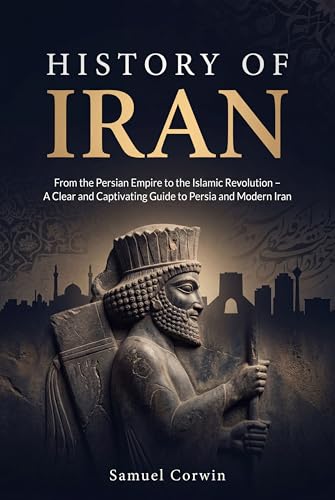
Founded by Cyrus the Great around 550 BCE, the Achaemenid Empire stretched from the Mediterranean Sea to the Indus Valley. It encompassed dozens of cultures, languages, and religions.
Unlike many ancient conquerors, Cyrus became known for his policy of tolerance. Conquered peoples were often allowed to maintain their customs, religions, and local governments. This approach helped create stability across a vast and diverse empire.
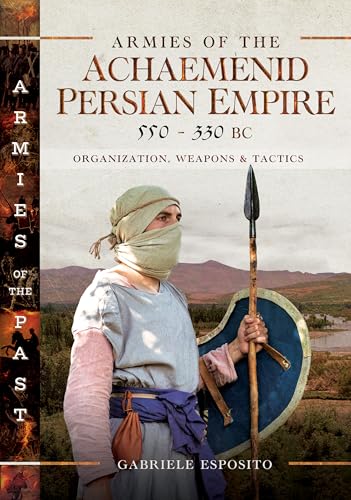
The empire reached its greatest extent under Darius I and Xerxes I. During this period, Persia developed advanced road systems, efficient taxation, and sophisticated administrative structures that influenced future empires.
Persepolis: The Jewel of Ancient Persia
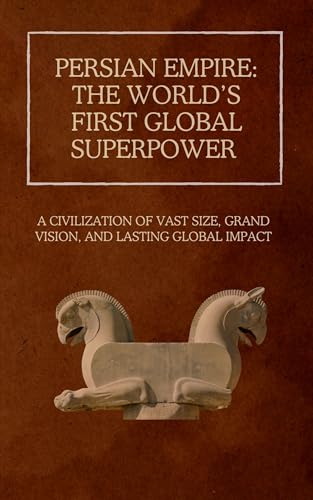
One of the greatest symbols of Persian power is Persepolis, the ceremonial capital of the Achaemenid Empire. Built among the mountains of southern Iran, the city featured grand halls, towering columns, and intricate stone carvings depicting representatives from across the empire.
Although Persepolis was damaged following Alexander the Great’s conquest in 330 BCE, its ruins continue to demonstrate the architectural brilliance and artistic achievements of ancient Persia.
Persian Culture and Literature
Persia is renowned not only for its military and political achievements but also for its rich cultural heritage.
Persian literature has produced some of the world’s most celebrated poets and thinkers. Ferdowsi’s Shahnameh (Book of Kings) preserved the myths and history of ancient Iran through more than 50,000 verses. The mystical poetry of Rumi continues to inspire readers across the globe, while Hafez remains one of the most quoted poets in Persian literature.
Persian storytelling, philosophy, and artistic expression have influenced cultures throughout Central Asia, the Middle East, and South Asia.
Art and Architecture
Persian art is famous for its elegance, precision, and symbolism. Traditional Persian carpets are considered masterpieces of craftsmanship and remain highly valued worldwide.
Architecture flourished throughout Persian history. Magnificent mosques, gardens, palaces, and bridges showcase the creativity of Persian builders. The use of colorful tiles, geometric patterns, and grand domes became defining features of Persian design.
Persian gardens, often designed to symbolize paradise, influenced landscape architecture across many regions of the world.
Scientific Contributions
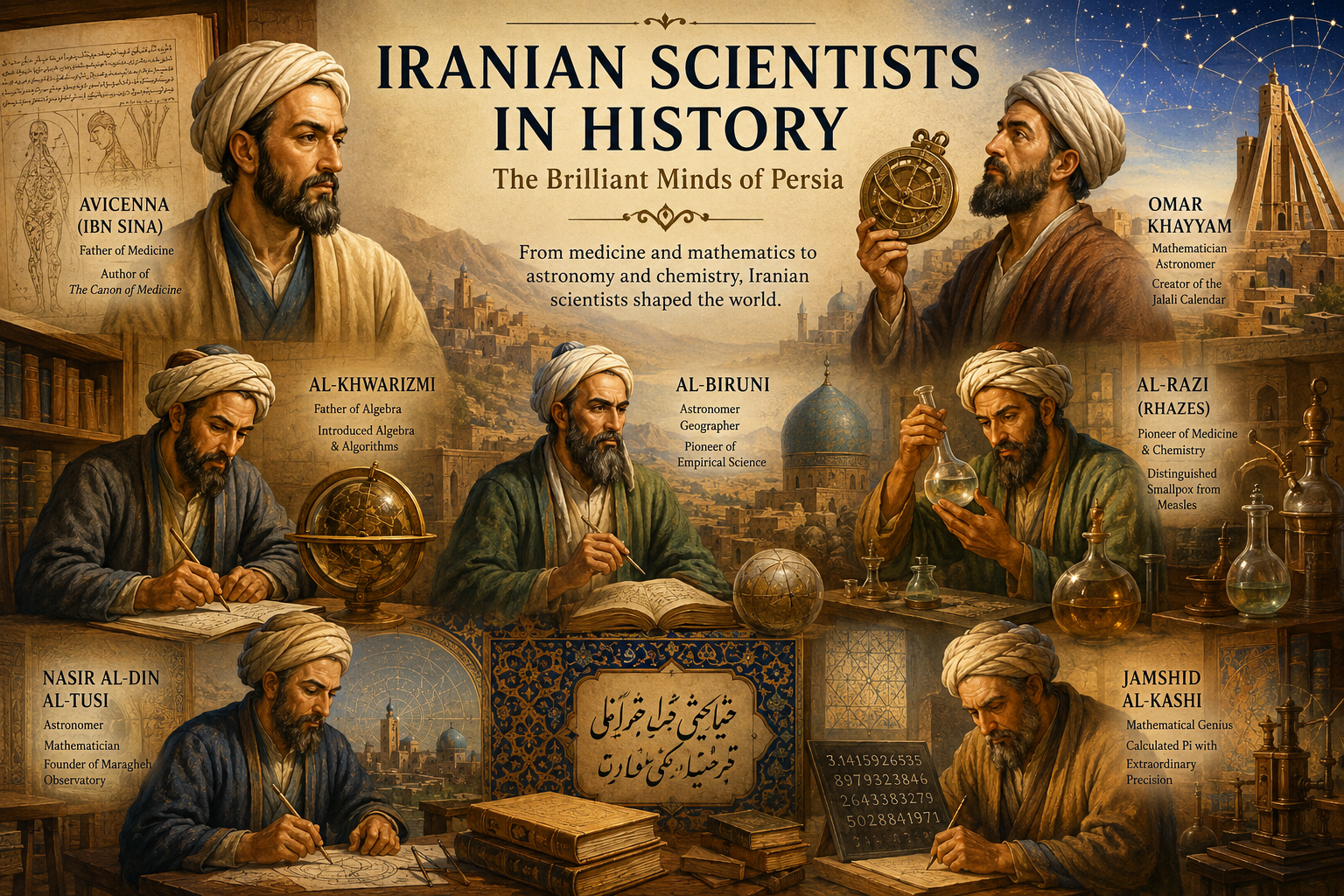
Persian scholars played a crucial role in advancing human knowledge. During the Islamic Golden Age, Persian scientists, physicians, mathematicians, and astronomers contributed significantly to medicine, chemistry, mathematics, and philosophy.
The physician Ibn Sina (Avicenna) wrote medical texts that remained influential in Europe and the Islamic world for centuries. Persian astronomers developed detailed observations of the heavens, while mathematicians expanded upon earlier discoveries from Greece and India.
These achievements helped preserve and advance knowledge during a critical period of world history.
Trade and the Silk Road
Persia occupied a strategic position between Europe, Asia, and Africa. As a result, it became a major center for trade and cultural exchange.
Merchants traveling along the Silk Road transported goods such as silk, spices, precious metals, and textiles through Persian territories. Along with products, ideas and technologies also moved across these routes, helping shape civilizations from China to the Mediterranean.
Religion and Spiritual Heritage
Ancient Persia was the birthplace of Zoroastrianism, one of the world’s oldest monotheistic religions. Its teachings emphasized the struggle between good and evil and influenced later religious traditions.
Following the arrival of Islam in the seventh century, Persian culture adapted while preserving many aspects of its historical identity. Persian scholars, artists, and leaders played a major role in shaping Islamic civilization.
The Enduring Legacy of Persia
Today, the legacy of Persia remains visible in language, literature, architecture, cuisine, and cultural traditions. Persian influence can be found across a vast geographic area stretching from the Balkans to South Asia.
Modern Iran continues to preserve many elements of this remarkable heritage while contributing to contemporary global culture.
The story of Persia is not merely the history of a single nation. It is the story of a civilization that connected continents, fostered innovation, and enriched humanity through its achievements in governance, art, science, and culture. Understanding Persia helps us better appreciate the shared heritage that has shaped our world.
Azizom.net participates in the Amazon Associates Program. As an Amazon Associate, we may earn a commission from qualifying purchases made through links on this website, at no additional cost to you. Prices and availability are subject to change. Thank you for supporting Azizom.net.