
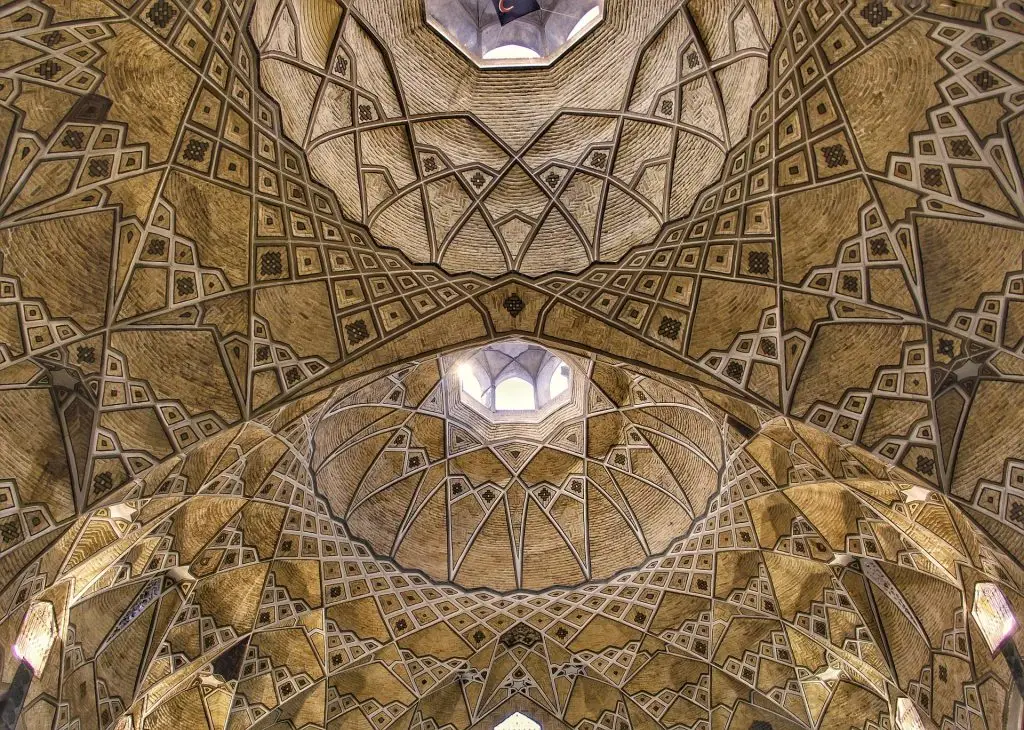
The Grace and Geometry of Persian Architecture
Persian architecture is admired for its harmony, symmetry, and timeless sophistication. From ancient palaces to grand mosques and peaceful gardens, Persian structures reflect both artistic beauty and intelligent design.
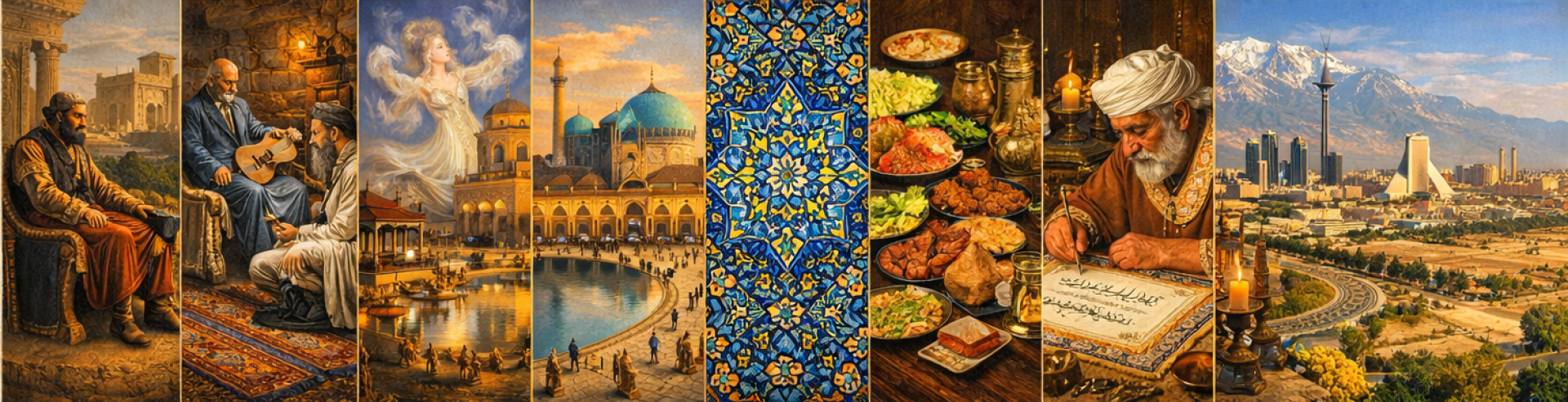
One of the defining elements of Persian architecture is the use of geometric patterns and intricate tilework. Blue mosaics, elegant arches, domes, and detailed carvings create spaces that feel both spiritual and visually mesmerizing.
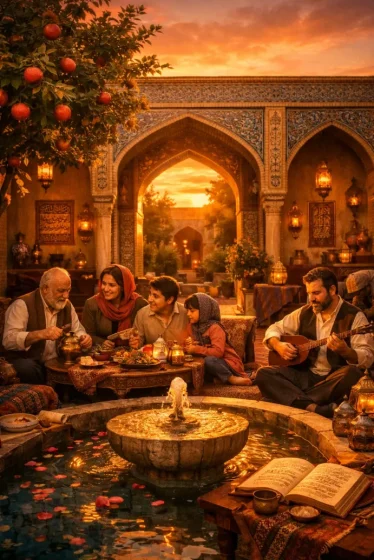
Persian architects mastered the relationship between nature and structure. Traditional Persian gardens, known as “paradise gardens,” often feature flowing water, shaded pathways, and balanced layouts that symbolize peace and harmony.
Climate-conscious design was also an important feature. Wind towers, courtyards, and thick walls were used to naturally cool homes in warm desert environments long before modern technology existed.
Famous Persian architectural landmarks continue to inspire the world today through their beauty and innovation. Their influence can be seen in Islamic architecture across many regions.
Persian architecture is more than construction — it is the art of creating balance between space, light, nature, and human experience.