Kerman, Iran: Discovering the Historic Desert Jewel of South-eastern Persia
Introduction
Nestled between rugged mountain ranges and vast desert landscapes, Kerman is one of Iran’s oldest and most fascinating cities. As the capital of Kerman Province, it serves as a gateway to some of the country’s most spectacular natural wonders, ancient trade routes, and cultural treasures. While cities such as Tehran, Isfahan, and Shiraz often receive the spotlight, Kerman quietly preserves a remarkable heritage that stretches back thousands of years.
Known for its magnificent bazaars, world-famous Persian carpets, pistachio production, and proximity to the breathtaking Lut Desert, Kerman offers visitors an authentic glimpse into Iran’s rich historical and cultural legacy. The city’s strategic location made it an important center of trade, connecting central Persia with South Asia and the Arabian Peninsula for centuries.
Today, Kerman continues to blend ancient traditions with modern development. Visitors can wander through centuries-old marketplaces, admire stunning Persian architecture, explore UNESCO-recognized desert landscapes, and experience the warm hospitality for which the region is famous.
This guide explores the history, culture, economy, attractions, and significance of Kerman, revealing why it remains one of Iran’s most captivating destinations.
The Geographic Setting of Kerman
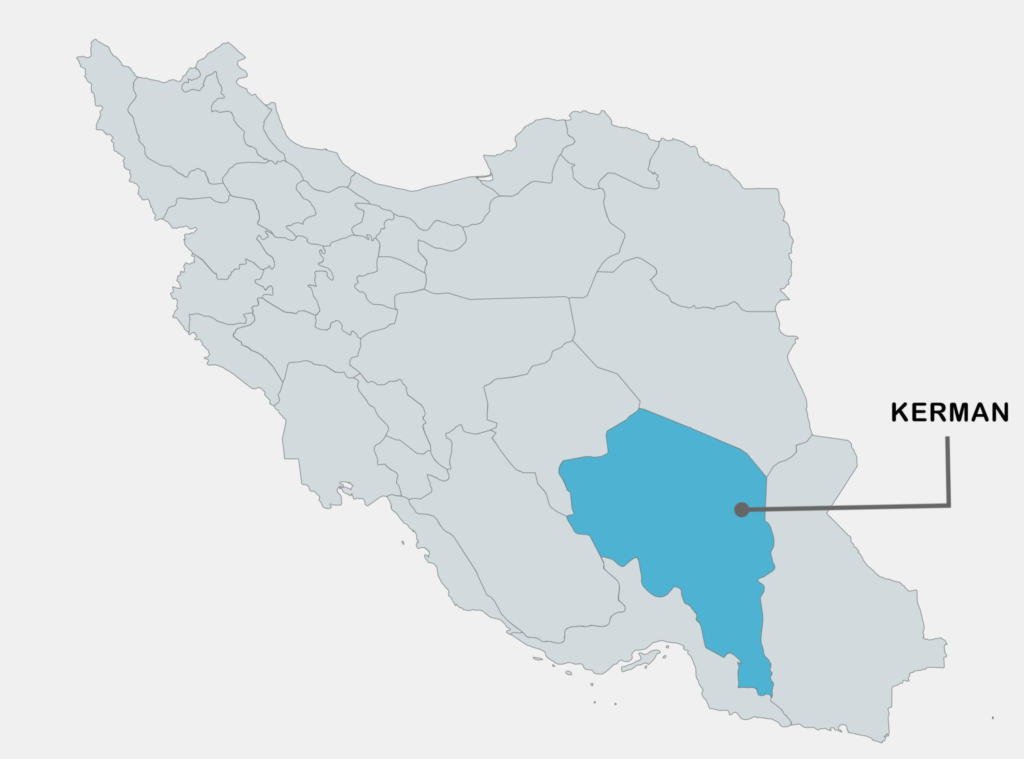
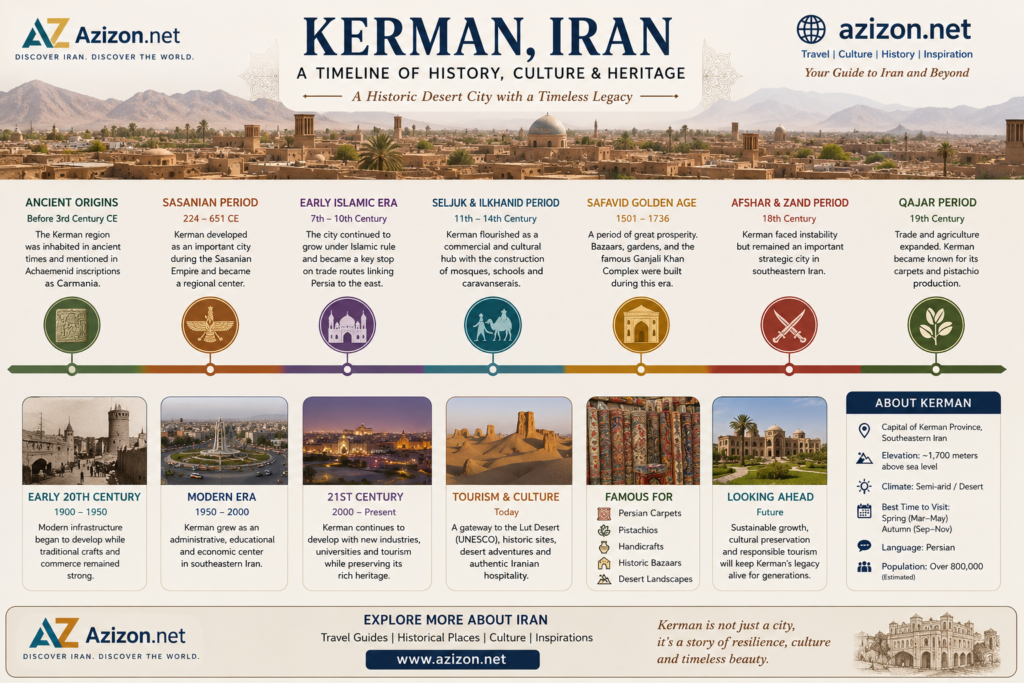
Kerman is located in southeastern Iran at an elevation of approximately 1,700 meters above sea level. This elevated position gives the city a relatively moderate climate compared to many surrounding desert regions.
The province itself is the largest in Iran by area and encompasses a wide variety of landscapes, including:
- Vast deserts
- Rocky mountain ranges
- Fertile agricultural zones
- Historic oasis settlements
One of Kerman’s most remarkable geographic features is its proximity to the Lut Desert (Dasht-e Lut), one of the hottest places on Earth. Despite this harsh environment, generations of residents developed sophisticated water management systems that allowed communities to thrive.
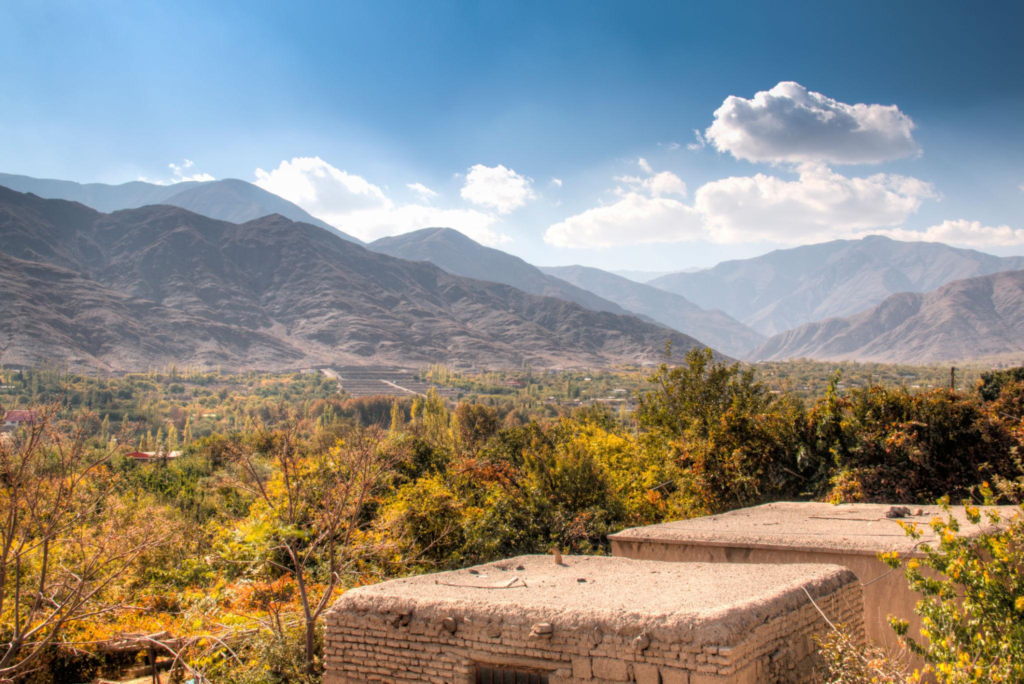
The contrast between desert and mountain scenery creates a unique environment unlike any other region in Iran.
The Ancient Origins of Kerman
The history of Kerman dates back many centuries and is deeply connected to the rise of ancient Persian civilization.
Historical evidence suggests that the region was inhabited long before the Sasanian Empire. However, Kerman emerged as a significant urban center during the Sasanian period (224–651 CE).
The city’s strategic location contributed greatly to its development. It sat along important commercial routes linking:
- Central Persia
- India
- Central Asia
- The Persian Gulf
Merchants, travelers, scholars, and artisans passed through Kerman, helping shape its cultural diversity and economic importance.
Following the arrival of Islam in Persia, Kerman continued to flourish under various dynasties. Successive rulers invested in infrastructure, religious institutions, marketplaces, and public buildings that strengthened the city’s role as a regional center.
Kerman During the Safavid Golden Age
One of the most prosperous periods in Kerman’s history occurred during the Safavid Dynasty (1501–1736).
The Safavids transformed many Iranian cities into centers of art, architecture, and commerce, and Kerman benefited significantly from this expansion.
During this era:
- Trade flourished.
- New caravanserais were built.
- Textile production expanded.
- Carpet weaving gained international recognition.
- Architectural masterpieces were constructed.
Many of the historic landmarks visitors admire today date from the Safavid period.
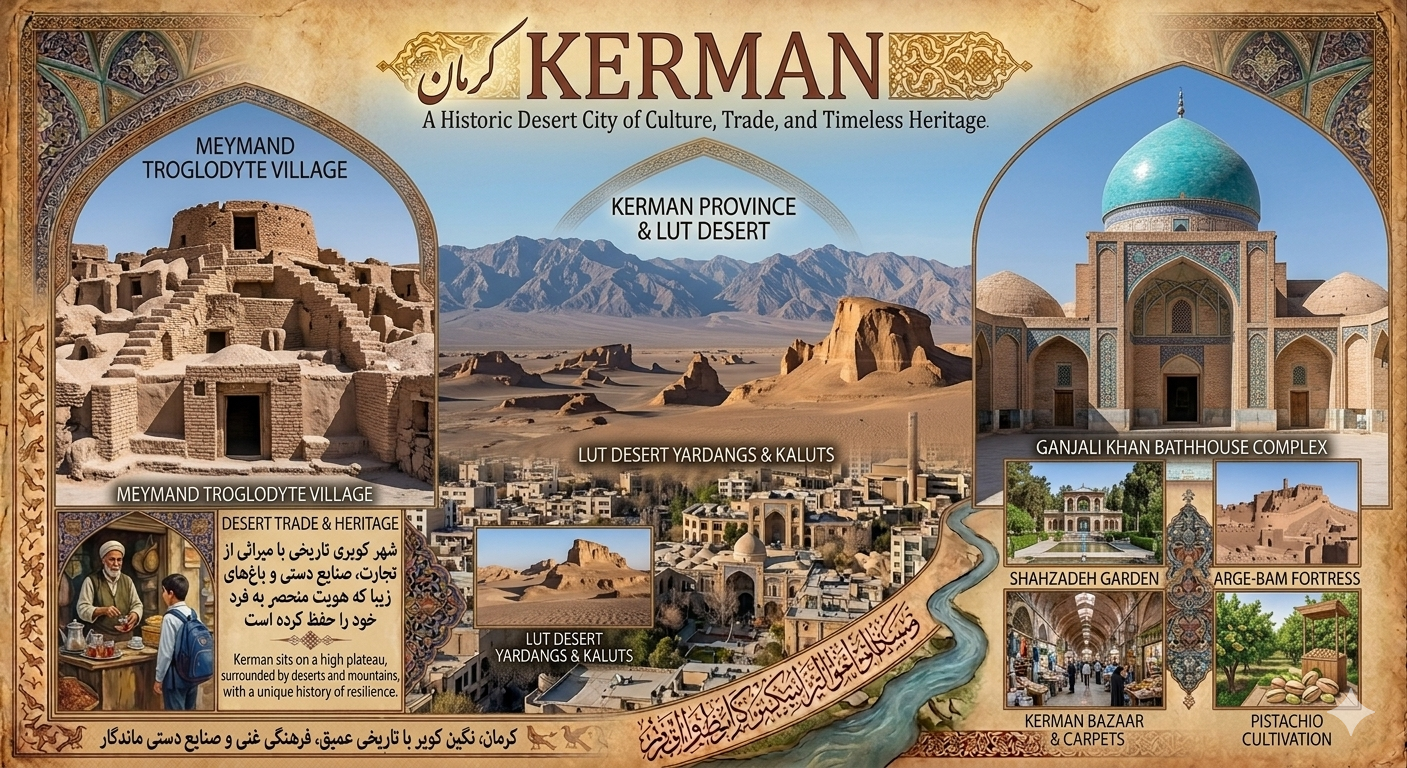
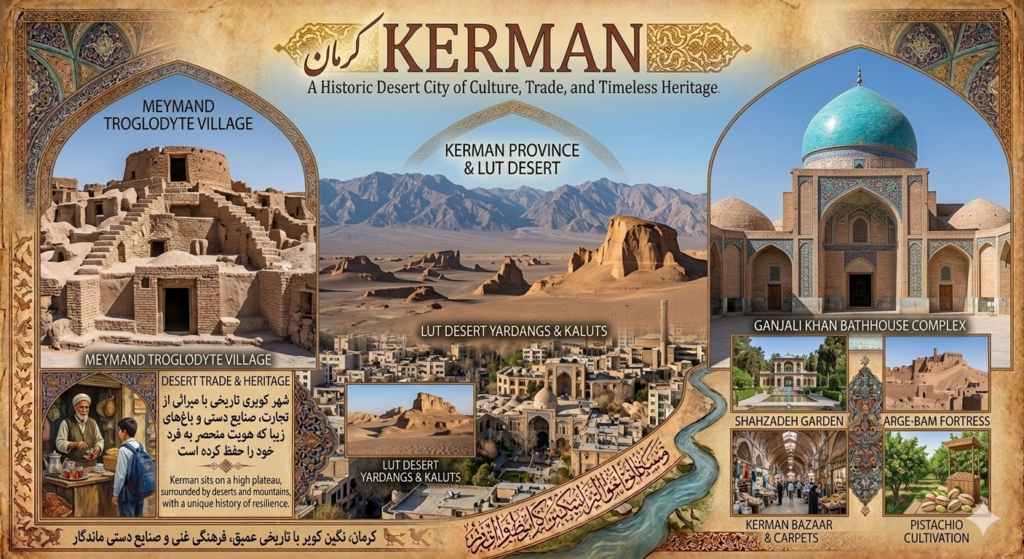
Perhaps the most famous is the Ganjali Khan Complex, a stunning urban masterpiece that includes a public square, bathhouse, bazaar, caravanserai, and mosque. This complex remains one of the finest examples of Safavid urban design in Iran.
The Historic Bazaar of Kerman
No visit to Kerman is complete without exploring its historic bazaar.
Stretching for kilometers through the heart of the city, the Kerman Bazaar is among Iran’s longest and oldest traditional marketplaces.
Walking through the bazaar offers a journey through history. Visitors encounter:
- Traditional spice shops
- Carpet merchants
- Copper workshops
- Textile vendors
- Handcrafted souvenirs
The vaulted ceilings and intricate brickwork reflect centuries of Persian architectural excellence.
Historically, the bazaar functioned not only as a commercial center but also as a social and cultural gathering place where news, ideas, and traditions were exchanged.
Even today, it remains a vibrant symbol of Kerman’s enduring commercial spirit.
Persian Carpets: Kerman’s Global Reputation
Kerman is internationally renowned for producing some of the world’s finest Persian carpets.
For centuries, local artisans have perfected weaving techniques passed down through generations. Kerman carpets are celebrated for:
- Intricate floral designs
- Rich color palettes
- Exceptional craftsmanship
- High-quality materials
Collectors around the world consider authentic Kerman rugs among the most valuable examples of Persian textile art.
The carpet industry helped establish Kerman as an important economic center and continues to contribute to the city’s cultural identity.
Each carpet tells a story, preserving traditional patterns and artistic techniques that reflect Persian heritage.
Pistachio Capital of Iran
Beyond carpets, Kerman Province is famous for pistachio cultivation.
The nearby city of Rafsanjan is one of the world’s leading pistachio-producing regions. Vast orchards stretch across the landscape, supplying domestic and international markets.
Pistachios represent a major export product and play a crucial role in the regional economy.
The success of pistachio farming demonstrates how local communities adapted to challenging environmental conditions through innovative agricultural practices and water management systems.
Today, pistachios from the Kerman region are enjoyed worldwide and are considered among the finest available.
Architectural Treasures of Kerman
Kerman’s architecture reflects centuries of Persian artistic achievement.
Notable landmarks include:
Ganjali Khan Complex
A Safavid masterpiece featuring:
- Bazaar
- Bathhouse
- Caravanserai
- Mosque
- Public square
Jameh Mosque of Kerman
One of the city’s most important religious landmarks, known for its elegant tilework and impressive design.
Historic Caravanserais
Built to accommodate traders and travelers along ancient routes, these structures provide insight into Kerman’s role in regional commerce.
Traditional Persian Houses
Many historic homes showcase beautiful courtyards, wind towers, and decorative architecture adapted to the local climate.
Gateway to the Lut Desert
One of Kerman’s greatest natural attractions is its proximity to the Lut Desert.
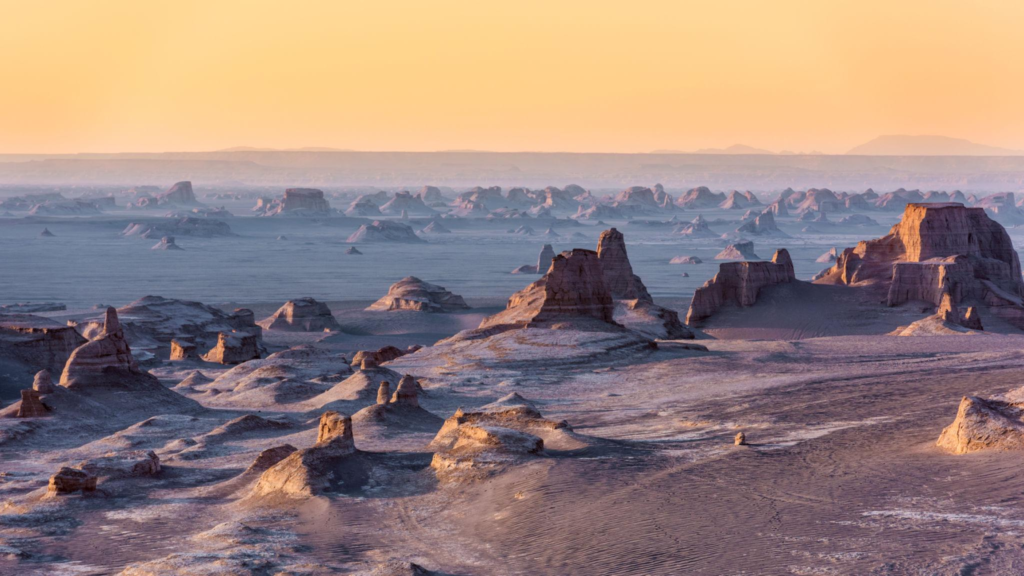
Recognized as a UNESCO World Heritage Site, the Lut Desert contains some of the most dramatic landscapes in the world.
Visitors can explore:
- Massive sand dunes
- Unique rock formations
- Salt plains
- Desert valleys
The Kaluts near Shahdad are especially famous. These extraordinary natural formations resemble an ancient city carved by wind and erosion over thousands of years.
At sunrise and sunset, the desert transforms into a breathtaking display of color and shadow.
For photographers and nature enthusiasts, the Lut Desert is one of Iran’s most unforgettable destinations.
Culture and Traditions
Kerman’s culture reflects a blend of Persian heritage, desert traditions, and regional influences.
Residents take pride in preserving customs related to:
- Traditional music
- Handicrafts
- Local cuisine
- Religious ceremonies
- Hospitality
Family gatherings and community celebrations remain central to daily life.
Visitors often note the warmth and friendliness of local people, who are eager to share stories about their city and traditions.
This cultural richness adds depth to every visit, making Kerman far more than a collection of historic sites.
Cuisine of Kerman
Kerman’s culinary traditions offer distinctive flavors shaped by local ingredients and centuries of cultural exchange.
Popular foods include:
- Traditional Persian stews
- Herb-based dishes
- Pistachio desserts
- Local breads
- Saffron-infused specialties
Regional recipes often incorporate ingredients produced within the province, creating a unique culinary identity.
Food markets and traditional restaurants provide excellent opportunities to experience authentic local cuisine.
Modern Kerman
Despite its ancient roots, Kerman is also a modern and developing city.
Today, it serves as:
- A regional administrative center
- An educational hub
- A transportation gateway
- A center for mining and industry
Universities, research institutions, and growing infrastructure projects contribute to the city’s ongoing development.
Modern Kerman successfully balances economic progress with the preservation of its historical and cultural heritage.
Why Kerman Deserves More Attention
Many international travelers focus on Iran’s most famous destinations while overlooking Kerman.
However, Kerman offers several advantages:
- Rich historical heritage
- Fewer crowds
- Authentic cultural experiences
- Spectacular desert landscapes
- Outstanding architecture
- Friendly local communities
For visitors seeking a deeper understanding of Iran beyond the typical tourist trail, Kerman provides an unforgettable experience.
The Future of Kerman
As interest in cultural and heritage tourism grows, Kerman is increasingly recognized as one of Iran’s most valuable destinations.
Efforts to preserve historic landmarks, support traditional crafts, and promote sustainable tourism are helping ensure that future generations can continue to appreciate the city’s unique character.
The combination of history, culture, and natural beauty positions Kerman as an important destination for both domestic and international travelers.
Final Thoughts
Kerman stands as a remarkable example of resilience, creativity, and cultural achievement. From its ancient origins and thriving bazaars to its world-famous carpets and breathtaking desert landscapes, the city represents some of the very best aspects of Persian civilization.
Whether you are interested in history, architecture, nature, or cultural exploration, Kerman offers experiences that few destinations can match. Its blend of ancient traditions and modern development makes it a city that continues to evolve while remaining deeply connected to its past.
For travelers seeking an authentic and memorable journey through Iran, Kerman deserves a place at the top of the list.
Key Takeaways
- Kerman is one of Iran’s oldest and most historic cities.
- Located in southeastern Iran, it serves as the capital of Kerman Province.
- The city is famous for Persian carpets, pistachios, and traditional crafts.
- The historic Kerman Bazaar is among the oldest and longest bazaars in Iran.
- The Ganjali Khan Complex is a masterpiece of Safavid architecture.
- Kerman is a gateway to the UNESCO-listed Lut Desert.
- The city combines rich cultural heritage with modern development.
- Kerman offers authentic experiences away from more crowded tourist destinations.
Related Articles
- Tehran: The Modern Heart of Iran
- Mashhad: Iran’s Spiritual Capital
- Shiraz: City of Poetry and Gardens
- Isfahan: The Jewel of Persian Architecture
- The Lut Desert: Exploring One of Earth’s Hottest Places
- Persian History: Art, and Global Influence
- Ancient Trade Routes of Persia
- Iranian Scientists Who Changed the World
Disclaimer
Article Disclaimer:
This article is provided for informational and educational purposes only. Historical dates, tourism information, and cultural descriptions are based on publicly available sources at the time of writing. Travelers should verify current conditions, regulations, and travel requirements before visiting any destination.
Image Disclaimer:
All images used with this article are for illustrative and reference purposes only. Image copyrights remain the property of their respective owners. Azizom.net does not claim ownership unless otherwise stated.
Affiliate Disclaimer:
Azizom.net may participate in the Amazon Associates Program and other affiliate advertising programs. This means we may earn a small commission from qualifying purchases made through affiliate links at no additional cost to readers.